Blog
Insights, guides, and best practices for email verification and deliverability.
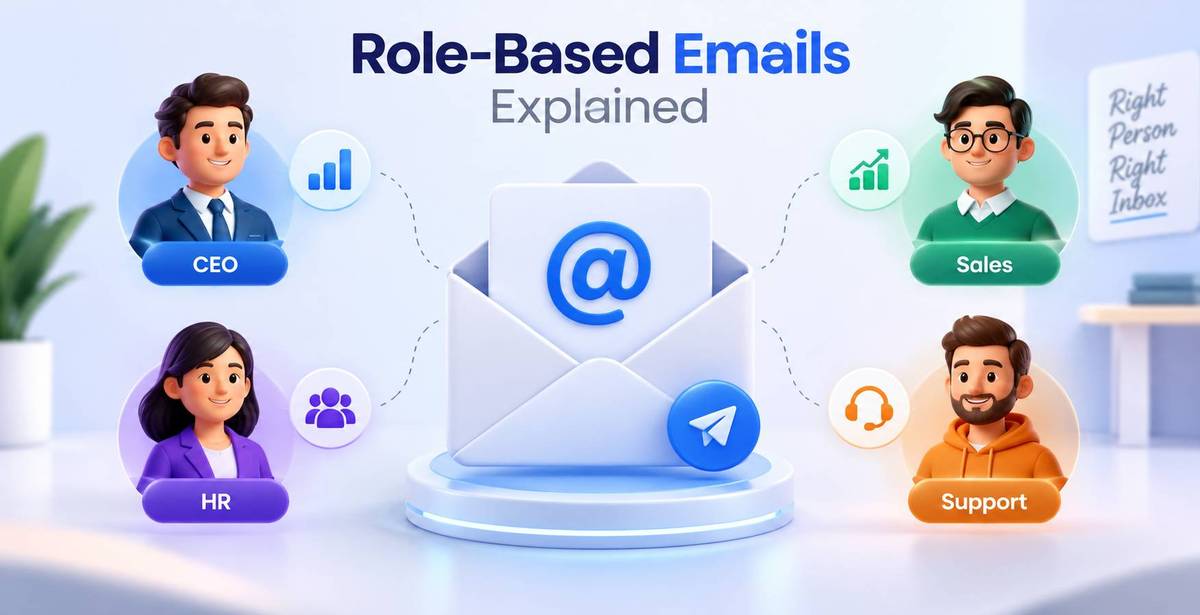
Role-Based Emails Explained: Should You Verify or Exclude Them?
A role-based address like sales@ or billing@ can close a deal or tank your sender reputation — sometimes in the same week. Here's what actually separates a good role-based send from a costly one, and how to tell the difference before you hit send.
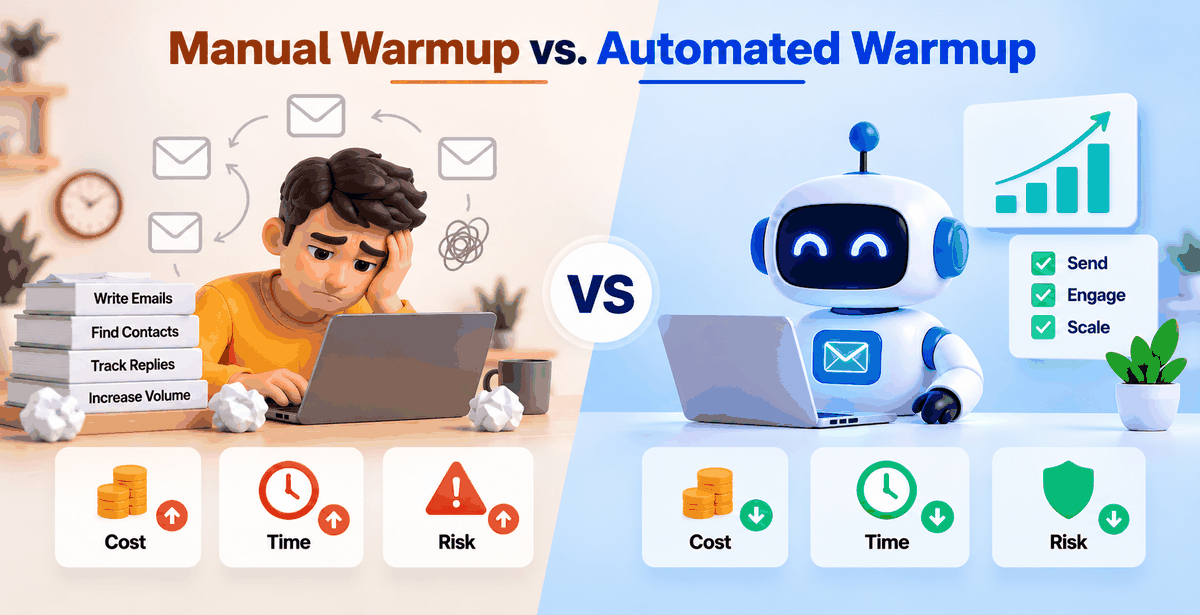
Manual Warmup vs. Automated Warmup Tools: Cost, Time, and Risk Compared
Manual email warmup takes real hours and produces zero pipeline while it's running. Automated tools solve the scale problem, but they shift the risk to whoever built the tool. Here's an honest, numbers-based look at what each approach actually costs — in time, money, and deliverability risk — from real client warmups, not theory.
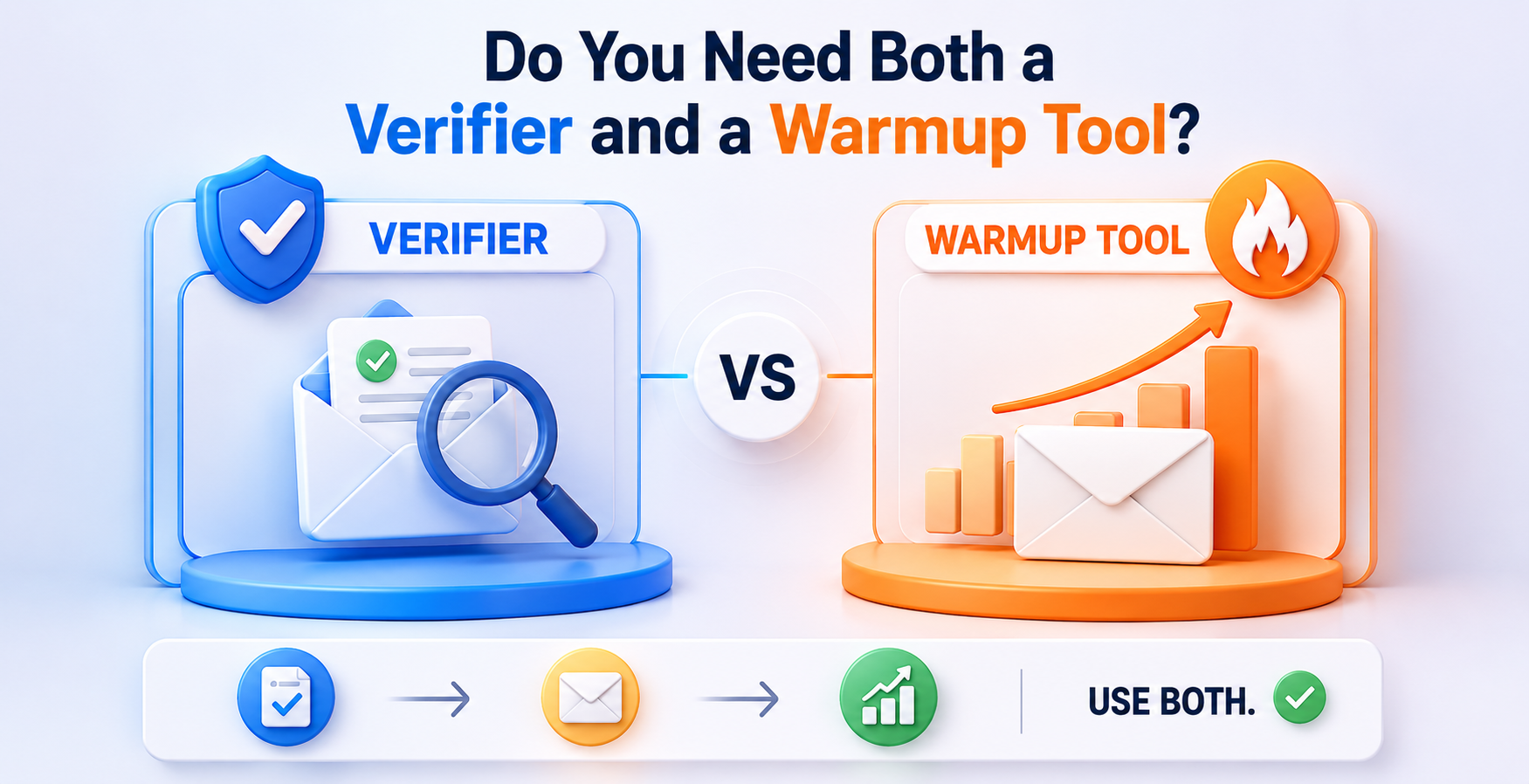
Do You Need Both a Verifier and a Warmup Tool? Here's When
A clean list and a trusted domain solve two completely different problems, not one. This breaks down when you actually need an email verifier, when a warmup tool alone does the job, and the exact scenario — cold outreach on a new domain — where skipping either one quietly wrecks deliverability.
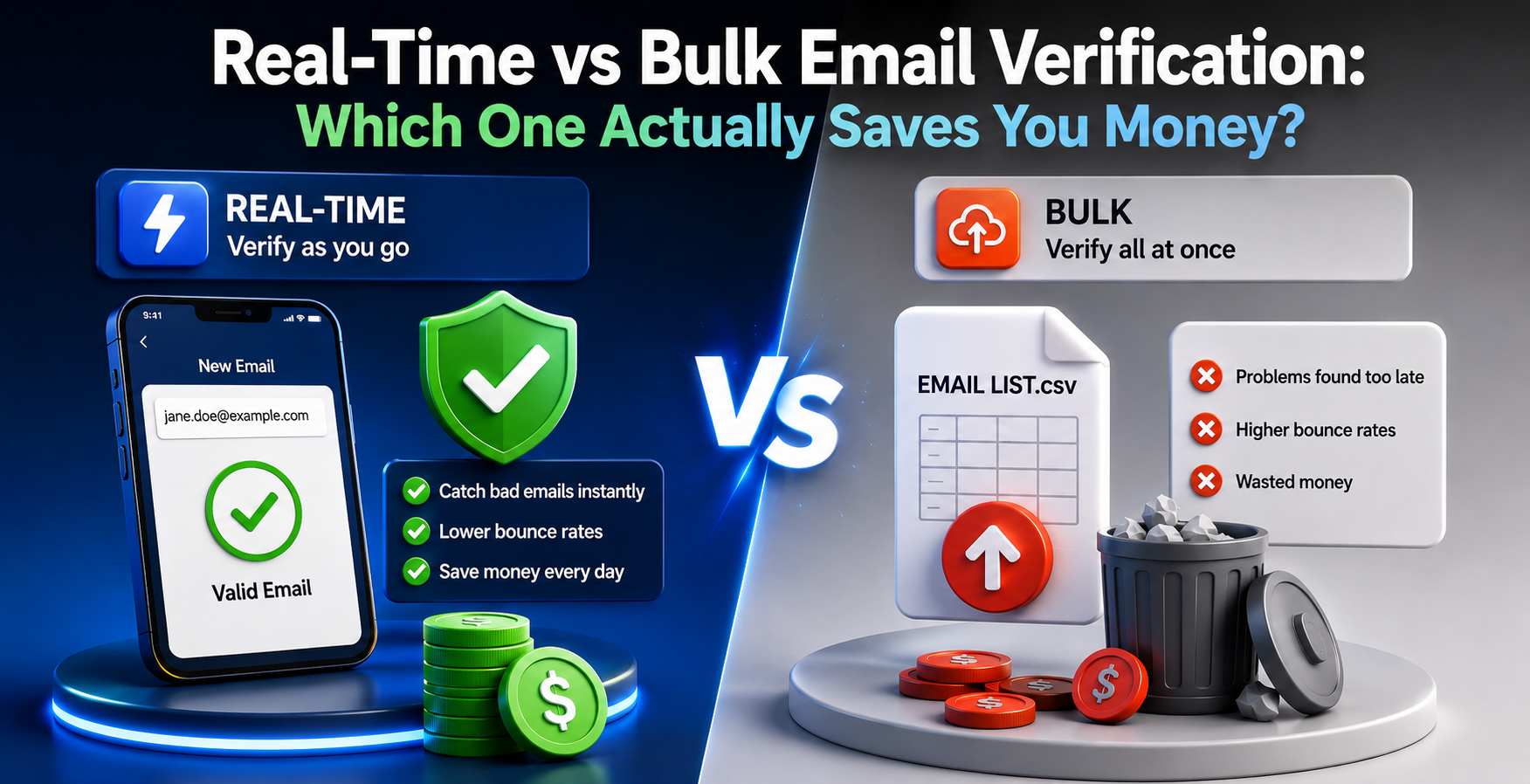
Real-Time vs Bulk Email Verification: Which One Actually Saves You Money?
Most guides compare email verification tools by price per credit and stop there. This one walks through real client numbers — a fintech list cleanup, a skincare brand's ad spend, and a signup form that kept leaking bad data — to show why "cheaper per email" isn't the same as "cheaper overall."
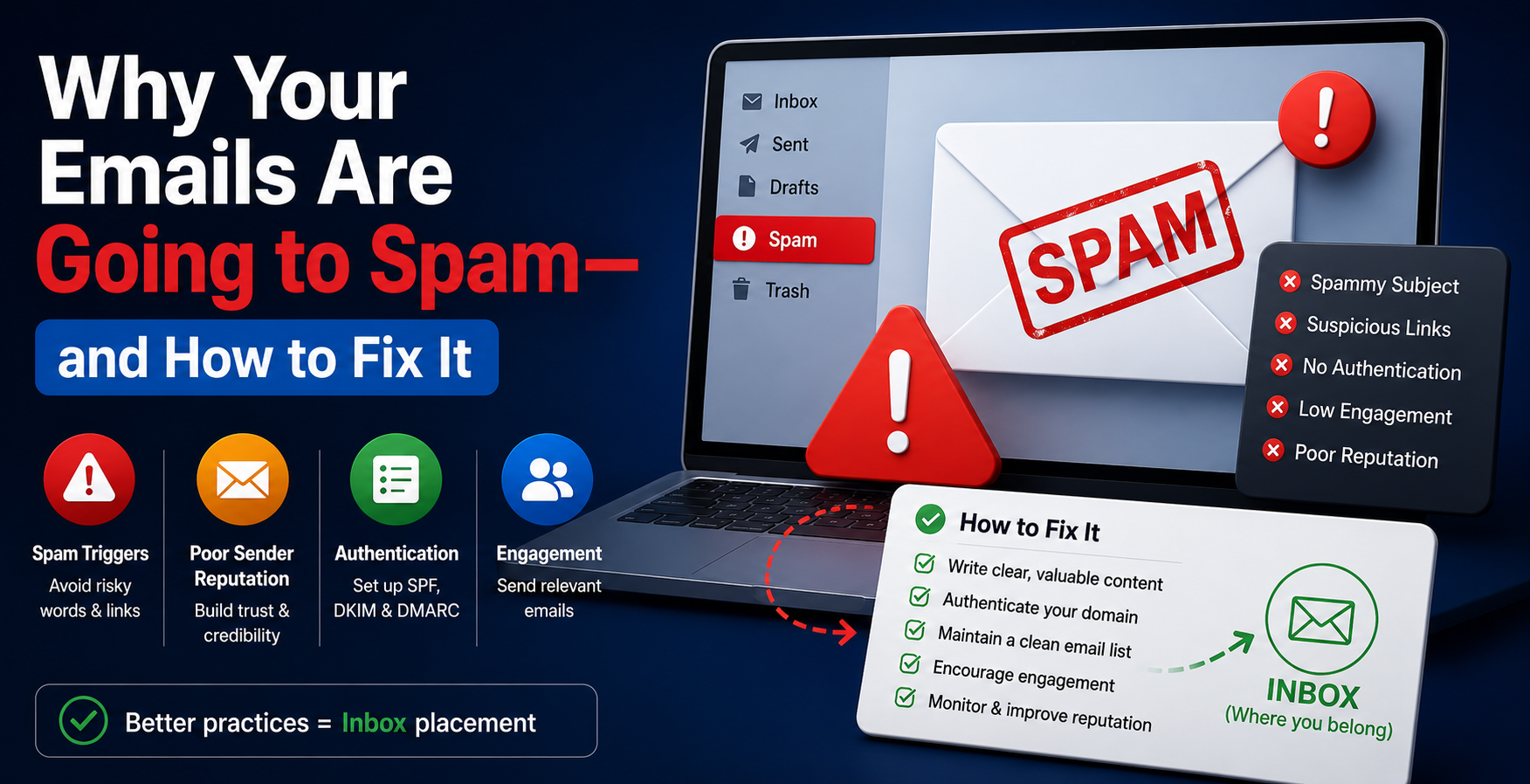
Why Your Emails Are Going to Spam—and How to Fix It
Emails landing in spam? Learn what causes deliverability issues and how reputation, authentication, and list hygiene fix it.
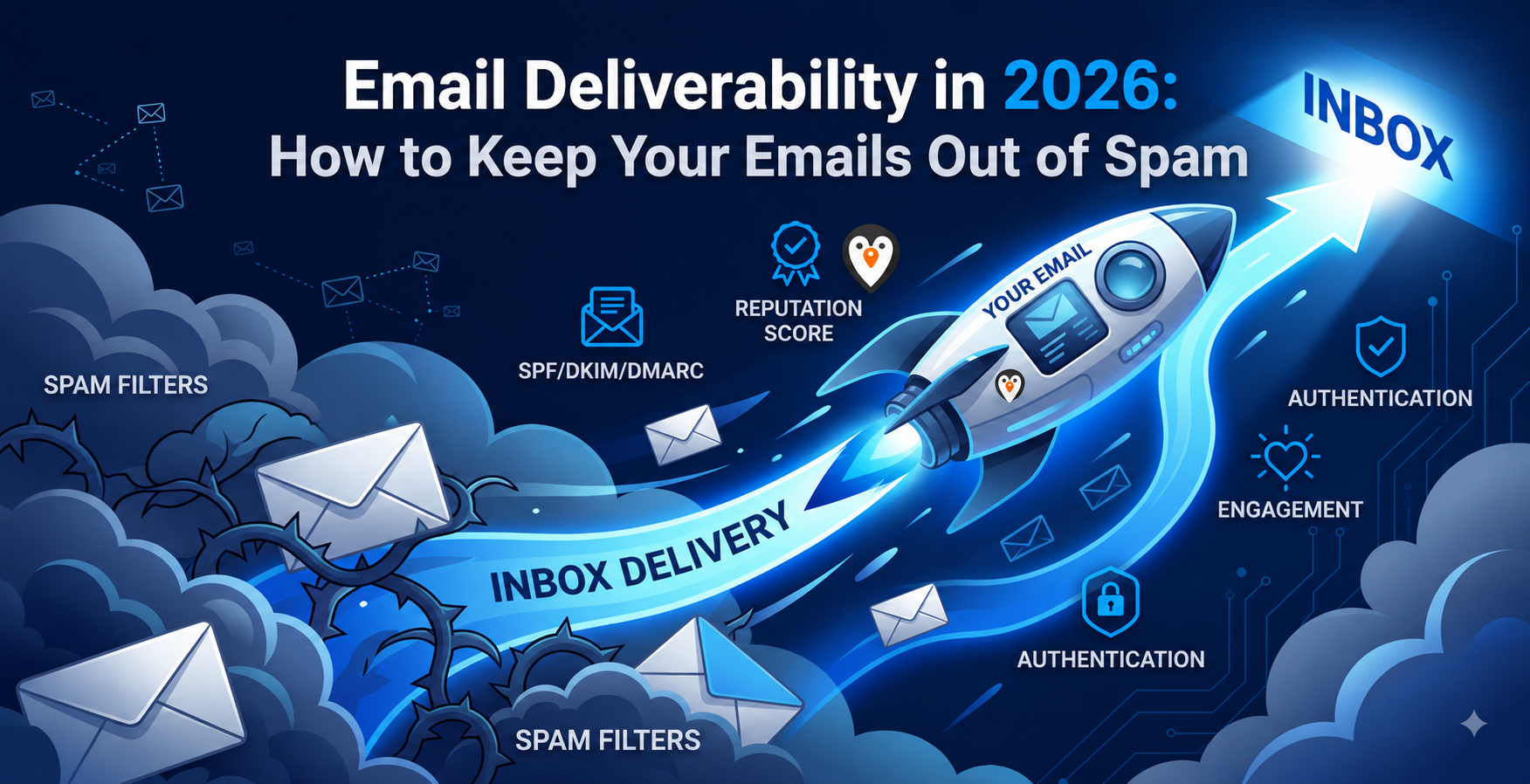
Email Deliverability in 2026_ How to Keep Your Emails Out of Spam
Email deliverability in 2026 is less about clever subject lines and more about your sender domain. Learn how SPF, DKIM, DMARC, spam complaint rates, unsubscribe compliance, and other technical factors can determine whether your emails reach the inbox or spam folder.
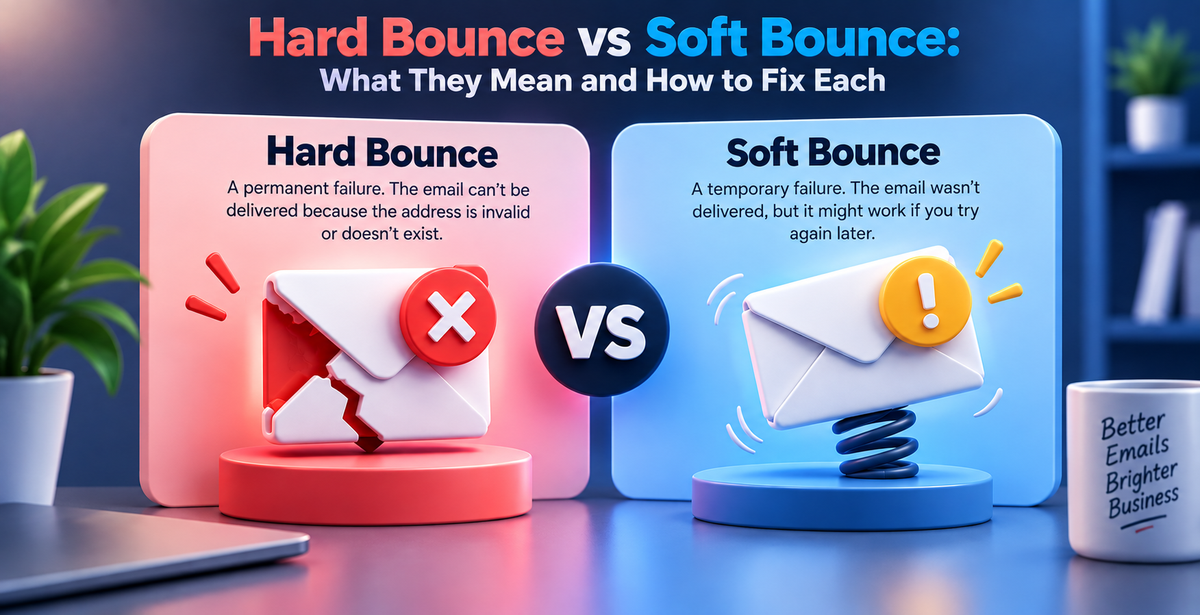
Hard Bounce vs Soft Bounce: What They Mean and How to Fix Each
Not all email bounces are the same. Hard bounces mean permanent delivery failure, while soft bounces are temporary. Learn what causes each, how they affect your sender reputation, and practical steps to reduce both and keep your email list healthy.
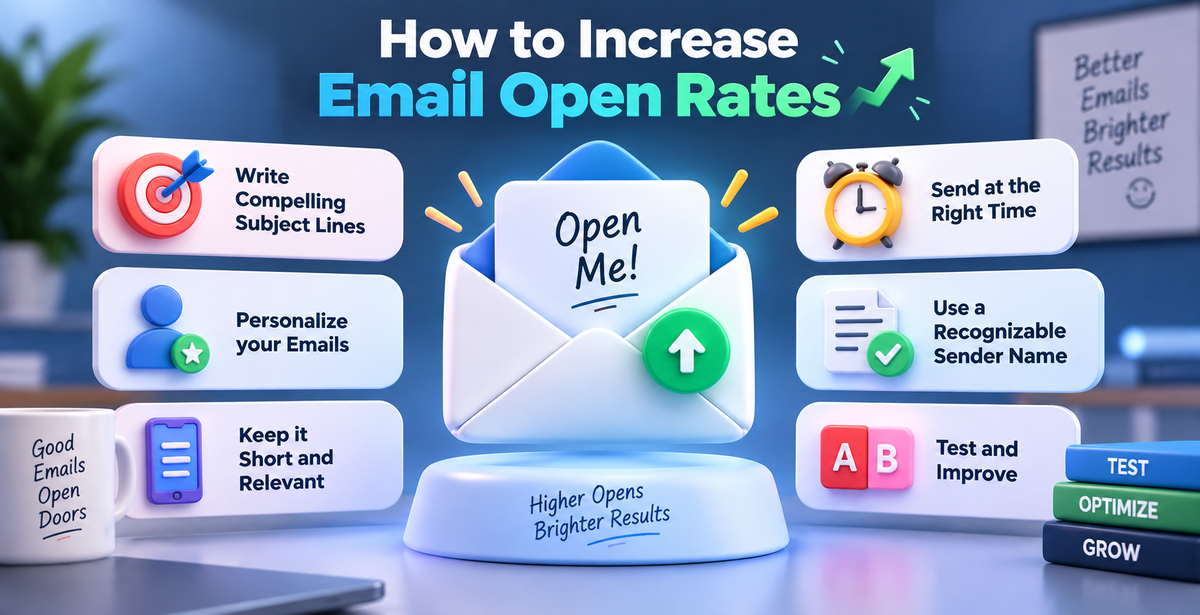
How to Increase Email Open Rates: A Practical Guide That Actually Works
Stuck at a 12% open rate? The real problem usually isn't your email content—it's everything that happens before someone reads it. This guide breaks down what actually moves the needle: sender reputation, subject lines that don't sound like everyone else's, and keeping your list clean enough that inbox providers trust you. No guaranteed formulas, just what consistently works.
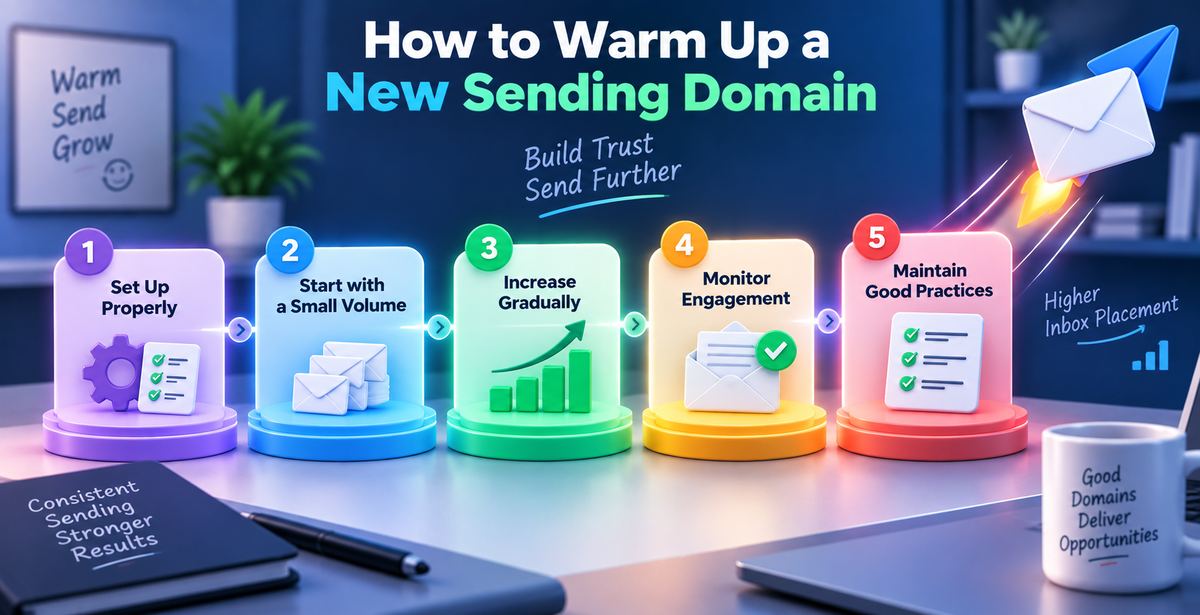
How to Warm Up a New Sending Domain Step by Step
Learn how to warm up a new sending domain step by step to improve email deliverability, build sender reputation, and keep your cold emails out of the spam folder. This practical guide covers domain warm-up, SPF, DKIM, DMARC, sending schedules, and proven best practices for long-term inbox placement.